
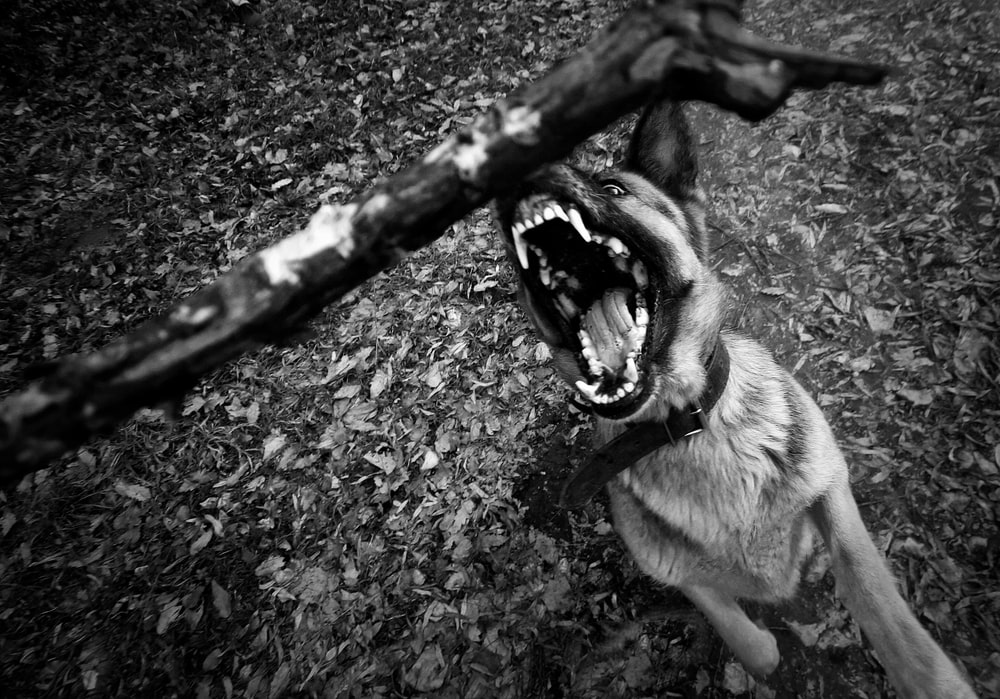
When a dog bites someone, the financial consequences pile up fast. Medical treatment isn’t cheap. Lost wages add to the burden, and ongoing care creates real hardship for victims. You might assume the dog owner will pay out of pocket, but that’s rarely how it works. Homeowners insurance typically steps in to handle these claims.
Our friends at Woron and Dhillon, LLC discuss how understanding insurance coverage helps victims recover fair compensation after an attack. A dog bite lawyer can review your case and explain your legal options.
How Homeowners’ Policies Cover Dog Bites
Standard homeowners insurance includes liability coverage. This protects policyholders when their dog injures someone. The coverage applies whether the attack happens on the owner’s property or somewhere else entirely, like a park or a neighbor’s yard. Most liability portions range from $100,000 to $300,000, though some homeowners carry higher limits. This money pays for:
- Emergency room visits and hospitalization
- Surgical procedures and reconstructive surgery
- Physical therapy and rehabilitation
- Psychological counseling for trauma
- Lost income during recovery
- Pain and suffering damages
Insurance companies receive thousands of dog bite claims every year. According to the Insurance Information Institute, insurers paid out over $1 billion in dog bite liability claims in recent years. The average claim exceeded $50,000.
When Coverage Gets Complicated
Not every homeowner’s policy offers the same protection. Some insurers exclude certain breeds they consider high risk. Pit bulls, rottweilers, and German shepherds often appear on these lists. If the dog’s breed shows up on an exclusion list, the policy won’t cover bite injuries at all. Renters insurance works similarly to homeowners coverage. Tenants who own dogs should carry liability protection in case their animal attacks someone. Landlords may also face claims depending on what they knew about a dangerous dog on the property. Some policies include a “known vicious animal” clause. If the insurance company can prove the owner knew their dog had aggressive tendencies, they might deny the claim entirely. Prior bites matter. So do complaints and documented aggressive behavior.
Filing A Claim Against The Policy
Victims should report the attack to the dog owner’s insurance company quickly. The insurer will assign an adjuster to investigate what happened and determine liability. The adjuster reviews everything. Medical records, photographs of injuries, witness statements, and animal control reports. They’ll calculate damages based on current bills and what future treatment might cost. Settlement negotiations start once the adjuster completes their evaluation. Insurance companies often try to minimize payouts. They might argue you provoked the dog. Or that you were trespassing. They may dispute how serious your injuries really are or claim pre-existing conditions contributed to the harm. Having legal representation protects you from these tactics.
What If The Owner Has No Coverage
Some dog owners don’t carry homeowners or renters insurance. Others have policies with low liability limits that can’t cover the full extent of damages. In these situations, you can pursue claims directly against the owner’s personal assets. Uninsured dog owners remain legally responsible for injuries their animals cause. You can file lawsuits seeking compensation from bank accounts, property equity, or future earnings. Recovery becomes more difficult without insurance, but legal options still exist. Umbrella policies provide additional liability coverage beyond standard homeowners’ limits. These policies kick in after primary coverage runs out. They offer protection of $1 million or more. If you’re dealing with severe injuries, you should investigate whether the dog owner carries umbrella coverage.
Moving Forward After An Attack
Dog bite injuries affect you physically, emotionally, and financially. Insurance exists to provide compensation when these attacks occur. But recovering fair damages requires understanding how policies work and what they actually cover. Document everything related to the attack and your injuries. Keep copies of medical bills and treatment records. Save all correspondence with the insurance company. Take photographs of wounds as they heal, and keep receipts for every expense. If you’ve been injured in a dog attack, you deserve compensation for your losses. Contact an attorney who handles these cases to discuss your situation and learn about your rights under the law.